A recent article in the Harvard Business Review, “Making Charity Pay” by Michael Norton and Jill Avery, shows how business can use philanthropy to improve profitability. They point out that charity can enhance customer loyalty, brand awareness and sales. To impact metrics positively, however, you need to implement the cause-based initiatives appropriately.
Norton and Avery analyzed both successful and unsuccessful charitable initiatives and determined that success is driven by companies aligning causes that resonate with customers in a way that drives sales.
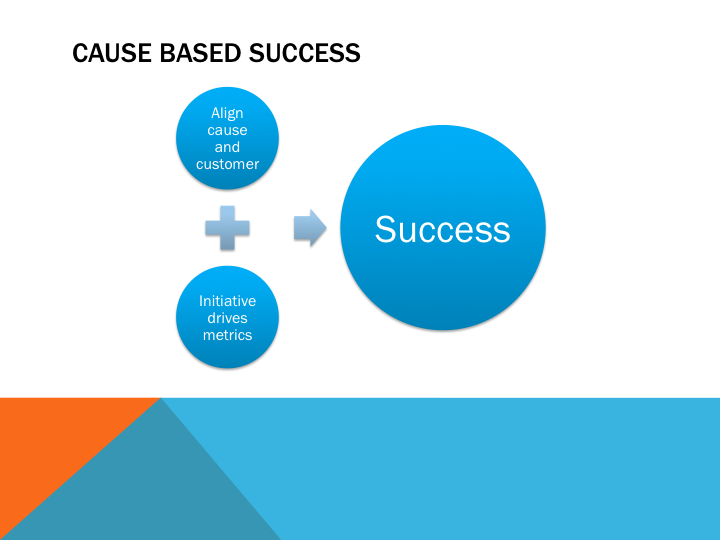
The first part of the equation is aligning the cause with the customer. With most successful initiatives, it means looking beyond causes that are important to you, the leadership team or maybe even your local community. You need to talk to your customers and understand what causes are important to them. One simple technique I have found particularly successful is surveying your users and asking them to rank the causes you are considering for the initiative.
The second part of the equation is ensuring the initiative drives sales or other metrics that improve customer lifetime value (LTV). While you may get a great reaction from your users and feel really good, if the program is not structured well that is the only benefit you will see. Just having a cause-based initiative your customers care about does not mean it will help your company. If the goal is to drive sales, then be clear to customers on how a purchase will help their cause. For example, Tom’s Shoes makes it clear that if you purchase a pair of their shoes they will also send a pair to someone in need.
Finally, remember that cause-based initiatives are similar to other initiatives and features that are used to improve metrics and thus should be tested and analyzed. You should apply the same rigorous analytics to your cause-based initiatives that you do to all other aspects of your business.
Done well, a charitable initiative can drive sales, retention and virality. The key is structuring the initiative so it achieves your goals and does not simply make you or your CEO feel good.
Key takeaways
- Cause based charitable initiatives can improve monetization, virality or retention.
- The initiative should be structured so that it appeals to your customers’ interests and causes they care about.
- To succeed, the initiative needs to be structured so it moves the metrics you are trying to impact.


Leave a Reply