I have heard many people in the game industry complain that advertising in games (free to play or otherwise) is a bad thing, or even immoral. The reality is it is actually a benefit to people—your customers—if done properly. It provides players with more options, allows developers to create games they would not try and allows people’s favorite games to remain live.
More options and value for players
The most effective advertising in games is advertising that the player sees as creating value. These benefits manifest themselves in several ways:
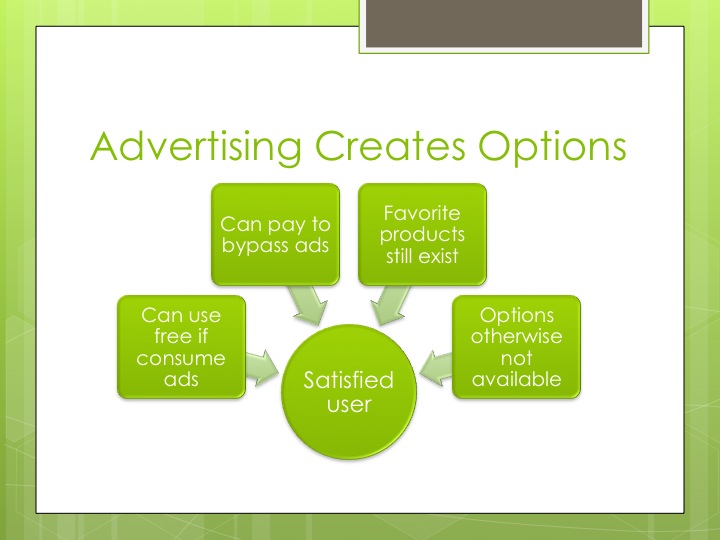
- ”Watch to earn” videos or other advertising that allows players to earn in-game currency by participating in advertising rather than spending money. This often takes the form of watching video ads or participating in special offers (such as taking a survey or subscribing to Netflix. This is a huge benefit, not detriment to they player, as they control completely whether they participate in the advertising or decide not to (and either forego the benefits or use real currency to acquire them).
- Allowing development of advertising supported games. Some of the most popular games would not be possible if there was no in-game advertising. Virtually all of the revenue from games like Words with Friends comes from advertising. The game is incredibly popular with tens of millions of players and requires a development team to continue creating content to keep those players happy. Without advertising, those games would not exist and the millions of fans would not have a great source of entertainment.
- Players are always unhappy when their favorite classic free-to-play games are “sunset,” which is the equivalent of sending a horse to the glue factory. Advertising sometimes provides an alternative to euthanizing a game. If a developer can incorporate advertising to cover its costs of maintaining the game, it then has no reason to sunset the product.
Other industries
Most other industries embrace advertising because it provides the same benefits to users. Viewers of television often prefer networks that do not charge (though they complain about it sometimes) rather than pay subscription fees. Those who hate advertising, though, have options to focus on networks like HBO or use services like Netflix. Print readers often enjoy subsidized costs for newspapers and magazines as advertising revenue allow the magazine to offset most or all of its costs. Additionally, advertising allows many publications to give away their product for free in exchange for the user to consume ads.
Parting thoughts
The reality is that advertising benefits players in many ways and developers should embrace it as a way to provide more value to users. By integrating advertising into the business model, you can find ways to add value to your players and give options to players you other wise had to neglect because they did not monetize through in-app purchases.
Key takeaways
- In-game advertising is a way to provide additional value to your players.
- It allows players who do not want to purchase items to earn them by participating in the advertising.
- Advertising allows game companies to provide games or maintain games that otherwise would not exist.


Leave a Reply