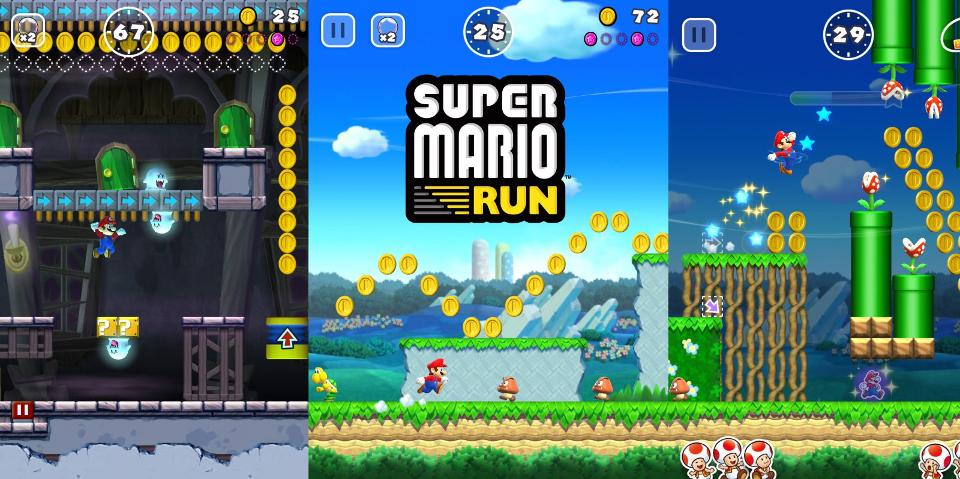
Last year, I wrote about why Nintendo failed with Super Mario Run, its first 1st party mobile title. The key was that they did not understand the mobile game ecosystem and how to manage player lifetime value. At the time, I ran into significant criticism that the product was a failure, given the millions of downloads and that maybe Nintendo had a goal other than revenue.
Nintendo admitted last week, however, that Super Mario Run did not meet its expectation.
While it is always nice to be proven correct, the most interesting element of Nintendo’s announcement suggests to me they still do not understand the mobile gaming world. The article also quotes a Nintendo official as saying “Heroes [their free to play product] is an outlier. We honestly prefer the Super Mario Run model.”
As I wrote last year, free to play is the most effective way to maximize player engagement. This not only derives the most monetary value from the game (i.e. you make the most money), it gives you a long window to engage with your customer and further that relationship.
Like other traditional game companies before it, Nintendo seems destined to flail outside of its existing channels, that is its proprietary consoles. The free to play world offers challenges that these game companies do not understand and are unwilling to accept.
Key takeaways
- Nintendo stated publicly they were disappointed in the performance of Super Mario Run, their first mobile game.
- Despite this disappointment, they still have not embraced free to play
- They are likely to consider under-performing in mobile as it is very challenging for older companies to understand and embrace the mobile free to play ecosystem


Leave a Reply