Skip to content

The Business of Social Games and Casino

How to succeed in the mobile game space by Lloyd Melnick

Author: Lloyd Melnick

I am GM of Chumba at VGW, where I lead the Chumba Casino team. Previously, I was Director of StarsPlay, the social gaming vertical for the Stars Group. I was also Sr Dir at Zynga's social casino (including Hit It Rich! slots, Zynga Poker and our mobile games), where I led VIP CRM efforts and arranged licensing deals. I have been a central part of the senior management team (CCO, GM and CGO) at three exits (Merscom/Playdom, Playdom/Disney and Spooky Cool/Zynga) worth over $700 million.

Nintendo admits mistake

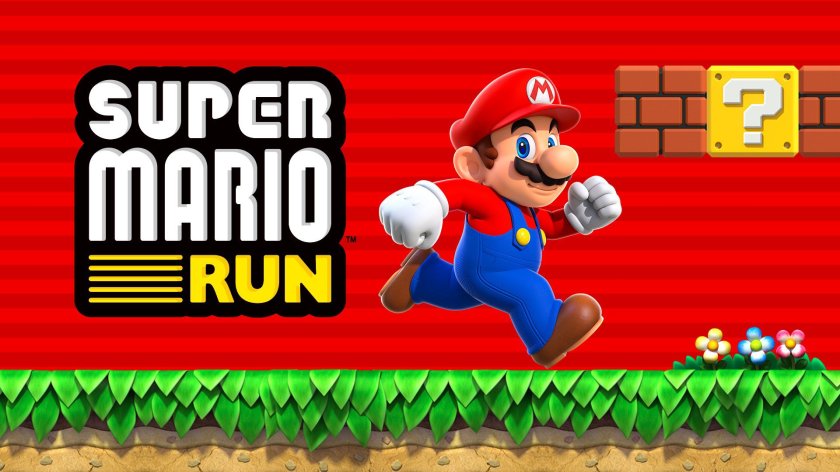
Last year, I wrote about why Nintendo failed with Super Mario Run, its first 1st party mobile title. The key was that they did not understand the mobile game ecosystem and how to manage player lifetime value. At the time, I ran into significant criticism that the product was a failure, given the millions of downloads and that maybe Nintendo had a goal other than revenue.

Nintendo admitted last week, however, that Super Mario Run did not meet its expectation.

While it is always nice to be proven correct, the most interesting element of Nintendo’s announcement suggests to me they still do not understand the mobile gaming world. The article also quotes a Nintendo official as saying “Heroes [their free to play product] is an outlier. We honestly prefer the Super Mario Run model.”

As I wrote last year, free to play is the most effective way to maximize player engagement. This not only derives the most monetary value from the game (i.e. you make the most money), it gives you a long window to engage with your customer and further that relationship.

Like other traditional game companies before it, Nintendo seems destined to flail outside of its existing channels, that is its proprietary consoles. The free to play world offers challenges that these game companies do not understand and are unwilling to accept.

Key takeaways

  • Nintendo stated publicly they were disappointed in the performance of Super Mario Run, their first mobile game.
  • Despite this disappointment, they still have not embraced free to play
  • They are likely to consider under-performing in mobile as it is very challenging for older companies to understand and embrace the mobile free to play ecosystem

super-mario-run-new1

Share this:

  • Share on Facebook (Opens in new window) Facebook
  • Share on LinkedIn (Opens in new window) LinkedIn
Like Loading...
Unknown's avatarAuthor Lloyd MelnickPosted on March 27, 2017Categories General Social Games Business, Social Games MarketingTags free to play, nintendo, Super Mario RunLeave a comment on Nintendo admits mistake

Neuromarketing and gaming

I recently finished a class on Coursera, An Introduction to Consumer Neuroscience & Neuromarketing, that gave some great insights applicable to gaming and the greater tech sector.

Neuromarketing is a very exciting new field that is driving business growth, think Big Data ten years ago. The course, taught by Neuromarketing pioneer Thomas Zoëga Ramsøy of the Copenhagen Business School, delves into neuroscience and how both small and large companies can use it. It leverages increasing understanding in how the brain works with the emergence of behavioral economics and data-driven marketing.

While marketing in the past largely relied on intuition, surveys and focus groups, neuromarketing starts by understanding how the brain functions and what parts of the brain drive different behavior. By understanding what parts of the brain drive emotion, motivation, etc., you can then create products and marketing campaign most likely to get customers to purchase.

While I am not the person to summarize how the brain works, below are some of the key learnings from Professor Ramsøy’s course and implications for the game industry.

Cognitive Load

The concept of cognitive load is critical to the success of many products, from games like slots to apps like Uber. Given the the human brain consumers 20 percent of the body’s energy but only is 2 percent of the body’s mass, it is important to understand that people will subconsciously work to reduce the amount of energy the brain is using.

Cognitive load is how much info people are processing at any one time. Cognitive load is tied to working memory, the more information in that short-term memory the higher the cognitive load. As cognitive load increases, consumers are less likely to make a purchasing decision.

The concept of cognitive load also confirms why UIUX is often better when simpler. A simple user experience minimizes cognitive load, thus not creating too much strain.

Implications

It is important to manage proactively consumers’ cognitive load. Giving consumers many choices increases their cognitive load, thus making them less likely to purchase. Thus, it is critical that rather than giving your customer 25 different packages they can buy, keep the purchasing decision simple.

While simpler is better is often considered the goal of UIUX, it often is abandoned so new features can be added. The reality is that simpler is more important than features and you need to build your products not as a tradeoff between the two but as something that focuses on minimizing customers cognitive load.

Uber is a great example of the success of this strategy. From a very simple interface to only a few options to not even letting customers think about tipping to not even having to worry about paying, using Uber requires very little thought. Yet this incredibly simple app has made Uber worth over $60 billion.

Not only is cognitive load important when creating the overall product but also the underlying mechanic in the product. People often question the enduring popularity of slot machines. There are, however, virtually no game mechanics that have lower cognitive load than slots. The slot mechanic provides entertainment without using too much energy. When creating other mechanics, it is critical to understand how much mental energy they will consume.

Search and attention

One of the most powerful applications of neuromarketing is related to search and what consumers select following the search process. Critically, there are two types of search, and each is driven by different parts of the brain.

First there is bottom-up search, which is largely unconscious. This is where a person comes across something and it grabs your attention. Certain receptors in eyes more receptive to things like contrast and density. The best example is when you are in a grocery store and you notice something you were not planning on buying. This type of search is generally driven by colors, shape and density. Consumers are likely to buy some that grabs their attention. As much of consumer behavior is unconscious,

The other type of search is top-down, which is primarily conscious. This is when somebody is searching for something in particular. You may again be in a grocery store and looking for eggs. You will focus your mental energy on thinking hard and finding what you need.

Implications

You need to design your UIUX based on what type of search your customers will be conducting. If they are conducting a top-down search, then you do not have to prioritize making it that visible. They will find it regardless. Conversely, if you want to engage your easier (get them to try a new feature or new content or have them think about monetizing), then you want to stand out during a bottom-up search.

In this case, there are some great new tools for UIUX to optimize visual search results. Professor Ramsøy, who taught the course, has a commercial product called Neurovision. Neurovision allows you to put in an image of your game (in our case) and see what players will notice without the need of a fancy heat test, thus what will jump out in a bottom-up search (see example below):

Screen Shot 2017-03-19 at 4.39.45 PM

It is also often used by retailers (including Walmart and Home Depot) to understand what consumers will see while walking through their store, it can even analyze what people will notice during videos. Neurovision is one of a host of new products based on Neuroscience that help you scientifically improve your products rather than relying on anecdotal experience with a limited number of users.

Branding

The value of brands is often debated but neuromarketing shows the value of a brand. Brands impact how we perceive and enjoy a product and stimulate additional parts of the brain that the product would not normally impact.

As discussed with cognitive load, the brain uses a lot of energy and consumers are constantly looking at ways to minimize this energy usage. Brands help consumers save energy because when they see a brand they are familiar with, the branding fills in a lot of information that they do not have to then ascertain (quality, style, etc.). Thus, when deciding between a branded product and a brand they are not familiar with (or no brand) the branded product has an advantage as choosing it requires less energy.

While this analysis may not seem like neuromarketing, neuromarketing confirms it. When people who have been exposed to branding for a certain paint are then in the paint section of a hardware store, eye-tracking confirms that they spend more attention on products from brands they are aware of. This phenomenon then leads to a higher likelihood of purchase.

Branding also helps with search, particularly bottom up search. While a consumer focused on finding a specific product or specific feature set may not respond to branding, as they are doing a top-down search, someone who is browsing for a new product (say a new casino app), a familiar brand would make it more likely to gain a customer’s attention.

Finally, branding stimulates parts of the brain that then impact how consumers feel about a product. A strong brand will create positive emotions around a product even before the consumer evaluates the product.

Implications

Branding is not dead or useless in a performance marketing world. Strong brand can translate into a higher impact from your performance marketing, customers are more likely to click on your ads. They are also more likely to pick your product when searching organically for one.

Using Neuroscience

Neuroscience is a strong tool to help improve your product and marketing. By understanding how the brain processes information, you can tailor your product and marketing to optimize your chances for success.

Key takeaways

  1. Neuromarketing, based on neuroscience, uses understanding of the brain to drive product and marketing decisions, just as big data creates much higher returns.
  2. You can increase sales and satisfaction by minimizing cognitive load, how much your customer’s brain has to process navigating your app or store
  3. Your UIUX should account for whether your customer is conducint a top-down search (looking for something in particular) or bottom-up search where you want them to find something.

Share this:

  • Share on Facebook (Opens in new window) Facebook
  • Share on LinkedIn (Opens in new window) LinkedIn
Like Loading...
Unknown's avatarAuthor Lloyd MelnickPosted on March 22, 2017March 19, 2017Categories General Social Games Business, General Tech Business, Growth, Lloyd's favorite posts, Social Casino, Social Games MarketingTags cognitive load, neuromarketing, Product design, search, Thomas Zoëga Ramsøy, uiux1 Comment on Neuromarketing and gaming

Don’t Reply All, for Gods sake

I recently had an epiphany, that the Reply All option to email creates undesirable and sub-optimal behavior, similar to the proliferation of meetings and Powerpoints. Rather than progressing a conversation, Reply All often keeps people from making substantive contributions and prompts people to ignore the key issues. Of course, sometimes there is value to Reply All, you share information with multiple people who need it, but it is something you should use judiciously rather than as a default.

Slide1

Communicate

The key problem with Reply All is that it is often used by someone to make a point or impress other people on the thread, normally higher-ranking executives. Some people see it as an opportunity to present knowledge or an idea not necessarily relevant to the message, to impress some on the thread. This creates a situation where people discount the entire thread and sometimes the original reason for the email is lost, without appropriate action taken on that email.

Rather than Reply All, you should determine who you want to communicate with and only include those on the response. Then, rather than using it to posture, you are proactively moving the conversation forward with relevant parties.

Watch what you say

While most people are polite to their colleagues in person, Reply All often invites boorish behavior. Building on people using it to impress, some people feel the best way to impress is by disparaging a colleague. The thought is that by making your colleagues seem weaker, it elevates them. The reality is that degrading a colleague will often permanently weaken your relationship with that colleague, they are less likely to support your future initiatives or go out of their way to help you and if they reach a leadership position they are likely to remember your behavior. Others on the thread, however, are also unlikely to be impressed, they will actually probably question your character and be less likely to support you in the future.

If there has been a legitimate mistake, reply directly to the person who made the mistake and give them the opportunity to correct it. Your goal should be ensuring the organization has the right information, not that you know more than your colleagues. If they do not agree with you or fail to correct, then respond (but only include relevant stakeholders) but do it in an objective manner that does not throw your colleague under the bus.

Why be the smartest person the thread

The biggest negative often of replying all is that it dissuades others from being part of the conversation. As I wrote several months ago, you should not try to be the smartest person in the room, and the same holds true for email threads. Rather than trying to impress everyone, learn from them so you can come to the best possible solution. Let everyone put forward their best ideas. Ensure a vibrant conversation, listen to others and, if anything, respond primarily to solicit more ideas.

Just think and reply appropriately

The key to communicating effectively is to think first. Determine who you should be speaking with and limit your communication to them. Then ensure you are propagating a message that moves the conversation forward, more likely to a better solution. Most importantly, avoid trying to impress others, especially at the expense of colleagues, and focus on the appropriate message to the right people.

Key takeaways

  • Simply replying all to an email often does not provide the highest value to the business, ensure that you really need to Reply All before doing it.
  • Do not use Reply All as an opportunity to impress, instead use it only to move conversation forward.
  • Never use Reply All to denigrate a colleague, if you must question someone do it directly.

Share this:

  • Share on Facebook (Opens in new window) Facebook
  • Share on LinkedIn (Opens in new window) LinkedIn
Like Loading...
Unknown's avatarAuthor Lloyd MelnickPosted on March 15, 2017March 12, 2017Categories General Social Games BusinessTags communication, Reply All1 Comment on Don’t Reply All, for Gods sake

How to create a valuable product or game

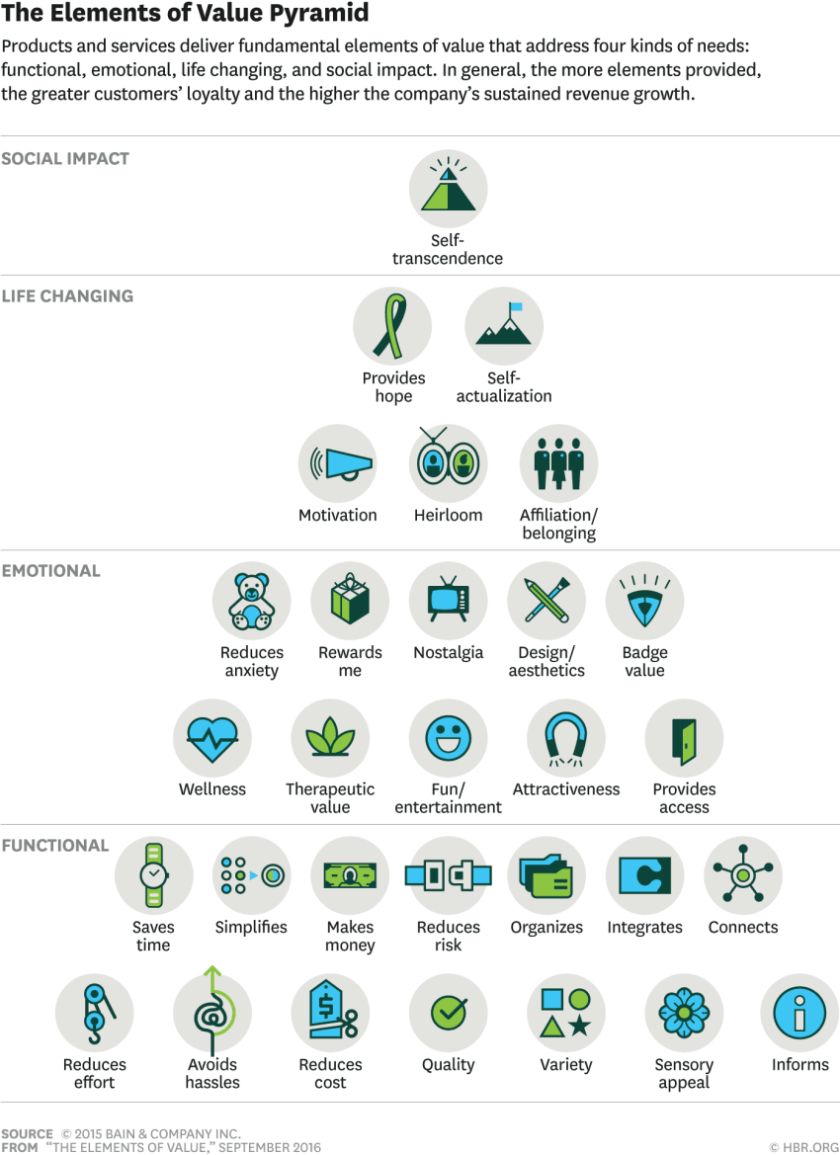
A colleague of mine recently used in a presentation a chart from a Harvard Business Review article and it was so helpful in defining a new product I wanted to share the concepts with everyone. In The Elements of Value by Eric Almquist, John Senior and Nicolas Block of Bain’s Strategy Practice, the authors discuss that while consumers evaluate a product by its perceived value versus cost, most marketers and executives focus on the price side of the equation. They attribute this focus largely to it being easier to manage price, as there are limited variables involved and it is easy to test.

It is more challenging to measure and optimize what customers truly value, whether functional (giving someone more capabilities) or emotional, because it is often a combination of multiple components. While value is always intrinsic to the customer (different people have a different value for the same attributes), the authors have identified universal building blocks of value to improve performance in current markets or enter new markets. Their analysis shows that the right combinations of these attributes leads to higher customer loyalty, greater willingness to try a brand and sustained revenue growth.

In the article, they have identified 30 elements of value (see below), fundamental attributes in their most essential and discrete forms. You can categorize these components in four buckets:

  • Functional
  • Emotional
  • Life-changing
  • Social impact
value-pyramid
From Harvard Business Review, Sept 2016

Some are inwardly focused, like motivation, while others help people deal with other or operate in the world, Not surprisingly, the Value Pyramid is related to Maslow’s Hierarchy of Needs. For those not familiar with Maslow’s work, Maslow’s hierarchy of needs is often portrayed in the shape of a pyramid with the largest, most fundamental levels of needs at the bottom and the need for self-actualization and self-transcendence at the top. The most fundamental and basic four layers of the pyramid contain what Maslow called “deficiency needs” or “d-needs”: esteem, friendship and love, security, and physical needs. If these “deficiency needs” are not met – with the exception of the most fundamental (physiological) need – there may not be a physical indication, but the individual will feel anxious and tense. Maslow’s theory suggests that the most basic level of needs must be met before the individual will strongly desire (or focus motivation upon) the secondary or higher level needs.

According the Almquist, Senior and Bloch, “the elements of value approach extends his insights by focusing on people as consumers—describing their behavior as it relates to products and services….The elements of value pyramid is a heuristic model—practical rather than theoretically perfect—in which the most powerful forms of value live at the top. To be able to deliver on those higher-order elements, a company must provide at least some of the functional elements required by a particular product category.”

Depending on your industry and product, the elements of value will vary. Some industries or geographies will focus more on basic elements, those near the bottom of the pyramid, while others will be focused higher.

Product lifecycle is critical

One area the authors did not explore that I think is critical is product lifecycle. Also, although not a feature of the article, an industry’s stage of development strongly impacts which elements will drive value for a consumer. In an emerging industry, consumers will be much more driven by the functional features. As an industry matures, you no longer will be able to compete on the functional elements but instead will need to move higher up the pyramid. Everyone in the industry will be providing the functional features, so you will have to deliver emotional value. Even there, your competitors will catch up and you will then have to deliver life changing or social impact attributes.

The social slots business is a great example of how the value pyramid has driven success. Five + years ago, companies experienced great success just by providing an online version of slot machines that people formerly only played in casinos. As long as you had a game that worked, priced it correctly (free to play) and made it simple to use, you had a ticket to print money. As the market became more mature, emotional attributes became the factor that generated success. Companies late to the market leap-frogged the Functional leaders by making the products nostalgic (classic slots by DGN or Rocket Games) or better design and more attractive (Hit It Rich by Zynga). As the market gets even more mature and competitive the companies that are experiencing success are those that are introducing life changing elements, primarily affiliation and belonging (such as Huuuge Games).

Using the elements to grow

An area where the elements can help you succeed is by improving on the elements that form your core value, so you can differentiate from the competition and better meet your customers’ needs. The elements can also help you grow your product’s value without overhauling your game or product.

Some companies use the elements to identify where customers see strengths and weaknesses. First, they look at which elements are important in their industry and how they compare with competitors. Then if there are any significant gaps, the priority is eliminating those gaps. Once the gaps are closed, you can then see what elements could create a new gap above your competitors.

Implementation

To leverage the elements model effectively, you should integrate it into several key areas of your business:

  1. New product development. The elements framework should provide ideas for new products and enhancements to existing products.
  2. Pricing. If you are looking to increase your prices, you can soften the blow of the increase by concurrently increasing the value your customer receives from your product. Amazon Prime is a great example, as the service started at $79.99 (I think) with frequent discounts and is now significantly higher but the free shipping is only a side thought, as you get everything from streaming services to special credit cards.
  3. Customer segmentation. Rather than only segmenting customers by demographic or behavioral group, you can use the elements to segment them by where they are deriving value. You can then focus on delivering more of the elements that these segments want or highlighting the elements that may exist but they are not aware of.

While adding value to increase competitive is not the most unique or newest idea, Almquist et. al., have created a framework to focus on creating the most value for your customers and knowing where to focus to increase that value. If you continue to deliver more value than your competitors, you will succeed.

Key takeaways

  • There are 30 core elements that drive the value a consumer derives from a product and the more they are willing to spend on the product
  • The values are hierarchical, similar to Maslow’s hierarchy of needs, and once a consumer gets the base value they will be more engaged by life changing or social impact elements.
  • The value you need to deliver is based on the life stage of the industry. Young industries are focused on functional value while you need to deliver higher level value to compete in a mature industry.

Share this:

  • Share on Facebook (Opens in new window) Facebook
  • Share on LinkedIn (Opens in new window) LinkedIn
Like Loading...
Unknown's avatarAuthor Lloyd MelnickPosted on March 8, 2017March 4, 2017Categories General Social Games Business, General Tech Business, Growth, Lloyd's favorite posts, Social Casino, Social Games MarketingTags Bain, elements of value, social casino, value1 Comment on How to create a valuable product or game

Do people really have a short attention span

A few months ago I posted about the cadence of releasing new content, citing Netflix as an example, and it got me to start questioning a related commonly held belief, that consumers attention spans are shrinking. It goes without question that people today have shorter attention spans than previous generations, look at YouTube videos versus television shows. Common sense says game players or tv watchers now want a faster, more intense short experience. Whenever I hear “commonly held, “goes without question,” or “common sense” I get very skeptical, as it often means we are assuming something without evidence to prove it.

Television actually shows an increased attention span

The launch of 24: Legacy helped crystalize my suspicion against the case of shorter attention spans. When the original 24 series launched in 2001, it was a tremendous success largely because it went from a model where an episode on network television was primarily self-contained to a story arc that spanned an entire season.

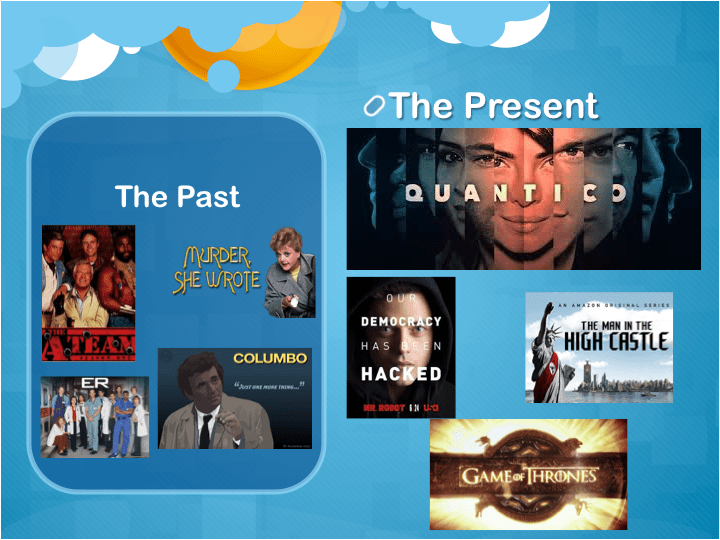
Fast forward to 2017 and most of the dramas on television involve a story arc that lasts a season (or more). From Game of Thrones to Luke Cage to Man in the High Castle to Mr. Robot, each episode leads to the next and the story arc is not complete until the end of the season. Even popular network television shows like Quantico and The Flash have story arcs that pull you from one episode to the next.

A season of a TV series now is closer to a mini-series in the 1970s and 1980s (Roots, V, Holocaust). Rather than watch a single episode and be done with it, people are eager to watch 10-13 episodes (about 10 hours of programming), demanding more, not less, attention of viewers.

slide1

Games also have captured our attention for longer

Some would argue the rise of mobile, casual games shows that the game industry is experiencing shorter attention spans, as players are looking for a short (5-15 minute experience), but wait, maybe games are experiencing the same phenomenon as television. In the early 2000s people would wait anxiously and buy an Unreal or Halo or Final Fantasy, play it for days or weeks (often without sleeping or at least showering) and then go on the next big game. Now you may actually shower but instead of playing for days or weeks, you are actually playing the same game for years. The top grossing games in the iOS US iPad AppStore include Minecraft (launched 2009), Game of War (2013), DoubleDown (2010), and Candy Crush (2012), ranging in age from 4 to 7 years. These games shown that rather than lasting minutes, game players’ attention span last years.

What this means

Rather than just being an interesting discussion point, the attention span issue has significant implication for game producers as well as other entertainment companies. When you are designing your product, rather than just focusing on short and intense play sessions, understand how you will keep players engaged for years. Rather than trying to stick a metagame on top of your product, you need to build it for long-term engagement from the ground. Only then will you satisfy the demand for a sustained entertainment experience. And most importantly, never use conventional wisdom or common sense to plan your product or strategy.

Key takeaways

  • While it is commonly accepted that consumers’ attention span has decreased, the opposite is actually true.
  • Rather than just watching one television episode or play a game for a few days/weeks, viewers now will watch a full season to grasp the metastory and play the same game for years.
  • To satisfy the new consumer, you need to create entertainment products that can last for years, not minutes.

Share this:

  • Share on Facebook (Opens in new window) Facebook
  • Share on LinkedIn (Opens in new window) LinkedIn
Like Loading...
Unknown's avatarAuthor Lloyd MelnickPosted on March 1, 2017February 19, 2017Categories General Social Games Business, General Tech BusinessTags attention span, content, content roadmap, meta-storyLeave a comment on Do people really have a short attention span

When you might lose some of your team

There was an interesting article in the Harvard Business Review, Why People Quit Their Jobs, that provides great analysis on when your team members are most likely to leave. I have written repeatedly on the importance of recruiting a great team, and the logical next step of retaining the great people you have recruited, and one key to retention is understanding when your people are most likely to leave.

Why people leave

Before looking at when people leave, it is important to recap why people leave. Traditionally there are three key reasons people will leave a job they have held for several years:

  1. They do not like their boss
  2. They do not see opportunities for promotion or growth
  3. They get a better opportunity (and often higher compensation

When people leaveslide1

Research cited in the article shows that there are certain events that trigger people to review their situation and thus exacerbates the above reasons people leave. The strongest of these events is work anniversaries, a natural time of reflection on whether joining the company turned out the way the person expected, when job-hunting activity increases 6-9 percent. These anniversaries are not only limited to joining the company but also starting a new role. Also, a formal review is likely to trigger a job search, especially if it does not include a promotion or clear promotion path.

The research also showed there are triggers outside of the company that also prompt heightened job search. Birthdays, particularly milestone birthdays (30, 40, 50, etc.) prompts employees to reflect on their life situation and whether they should pursue a move. School anniversaries serve a similar purpose, as they prompt employees to compare themselves against their classmates. The research shows a 16 percent increase in job-hunting activity after reunions. The key is that events outside of the workplace have a strong impact on whether an employee will be looking for another position.

Other clues to leavers

In addition to the extrinsic and intrinsic factors that trigger job search, there are other ways to identify employees (or teams) more likely to leave. Computer monitoring can identify higher usage of LinkedIn or other job search websites. Tracking employee badges can detect those leaving the office frequently, presumably to interview or speak with recruiters. There are even technology firms that can predict likelihood to leave based on who people are connecting with on LinkedIn.

What you should do

As I wrote, you should always be recruiting your own team to minimize their chance of leaving. Realistically, not everyone has the time or resources to do this so at a minimum you can use the above triggers and hints to focus on those employees when they are most likely to leave. Ensure that you have clear conversations with them their career path in the company, and if they do not have one you should work to create one. Also, encourage your HR team to recruit internal candidates who are likely to be job-hunting for other positions at the company, so if they are going to move they still stay within in the company. Research shows that pre-emptive intervention is much more effective that waiting for someone to get an offer and then making a counter-offer, as 50 percent of those you retain by counter-offer will still leave within twelve months.

Key takeaways

  • Retaining employees is important as recruiting them, and understanding when they are likely to start looking for other positions allows you to pre-empt a move
  • Employees generally leave because they dislike their boss, do not see opportunities for promotion or growth, or get a better opportunity
  • They are most likely to start or increase their job search during work related events (work anniversary, position anniversary, performance review) or life events (major birthday, class reunion, etc.).

Share this:

  • Share on Facebook (Opens in new window) Facebook
  • Share on LinkedIn (Opens in new window) LinkedIn
Like Loading...
Unknown's avatarAuthor Lloyd MelnickPosted on February 22, 2017February 19, 2017Categories General Social Games Business, General Tech BusinessTags HR, recruiting, retention1 Comment on When you might lose some of your team

How motivation can improve the performance of social games

One of the best books I read last year was Payoff: The Hidden Logic that Shapes our Motivation by Dan Ariely and I wrote about how to apply some of Ariely’s idea to improving your team’s motivation. In addition to showing how to improve employee’s motivation, Ariely’s book also has lessons that can be applied to increasing the motivation of players to engage more with your game.

slide1

Make it challenging

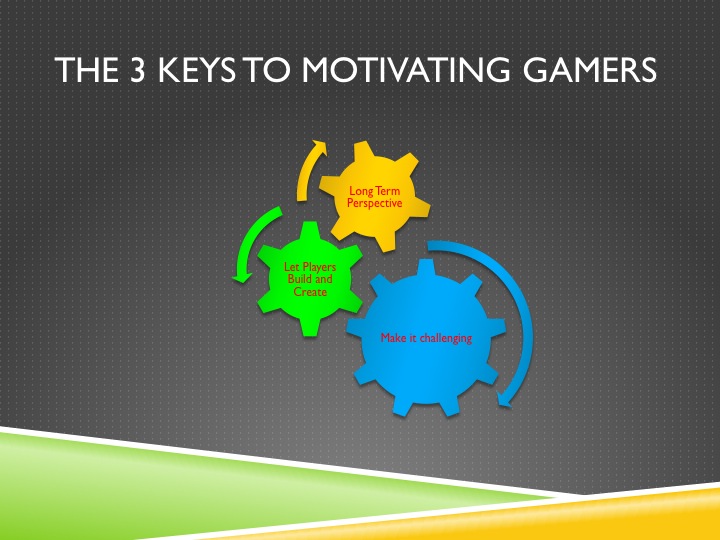
The first insight is that people are often motivated to achieve things that are “difficult, challenging, and even painful.” Moreover, it they work harder and put in more effort, they enjoy a greater sense of ownership what they create and enjoy it more than if it is given to them.

Give people ownership

The second key to motivating players is to help them feel like owners of the content. In Ariely’s research, he had one group of people create origami creatures. He then offered to sell the origamis both to a group that was not involved in building them and to their creators. It turned out that the builders were willing to pay five times more for their handmade creations than the buyers were. As Ariely wrote, “our participants’ behavior clearly revealed that we are strongly motivated by identity, the need for recognition, a sense of accomplishment, and feeling of creation. “

The early invest express (invest your time and express yourself) games, such as Farmville and Hay Day, leveraged this motivation by allowing people to build their own farms. Since it was theirs, people would spend significant sums to keep and improve it. Even today, Clash of Clans and other games allow players to build their own forts or cities and this drives more engagement and monetization.

Create a long-term perspective

The final lesson from Ariely’s book is to create a long-term perspective. Rather than give people a one-time or short-term experience, players are most motivated if they have a long-term vision. Players would not bother putting a lot of energy into a short-term relationship, as Ariely writes, “whether with a romantic partner, employer, colleague, or apartment. But if you think of that relationship as a long-term investment, then you will be motivated to deposit more of your love, trust, energy, and time. This sense of investment is the basis of the marriage vow, and it is the basis of true dedication and loyalty….”

If you look at what turned social casino from a small niche part of the social game space to one of the largest is when they evolved from discrete slots experiences to a long-term meta-game where the goal was to continue unlocking content and progressing. This progression created a long-term perspective that motivates players to engage (and spend) more.

Another example would be the match-3 space. Bejeweled Blitz is a brilliant match-3 game. It is expertly designed for many exciting moments and perfect game balancing. Yet it never monetized as its creators had hoped (other than helping get the company sold to EA for about $1 billion). King entered the space with yet another match-3 game, Candy Crush Saga, but one that had a long-term goal, as you continuously wanted to progress. Candy Crush was able to transform an industry where customers were not motivated to spend to one of the most profitable in the mobile game space.

Motivation is critical

The better motivated your players, the more they will enjoy your game. The more they enjoy it, the more engaged they will be. And with engagement comes a successful product.

Key takeaways

  1. The first key to motivation is make it challenging.
  2. The second key to motivating players is to give them a sense of ownership.
  3. The final key to motivating players is give them a long-term perspective, not a one-off game play experience.

Share this:

  • Share on Facebook (Opens in new window) Facebook
  • Share on LinkedIn (Opens in new window) LinkedIn
Like Loading...
Unknown's avatarAuthor Lloyd MelnickPosted on January 11, 2017January 9, 2017Categories General Social Games Business, Social CasinoTags dan ariely, game design, motivationLeave a comment on How motivation can improve the performance of social games

Content cadence, where Netflix gets it wrong

Content cadence, where Netflix gets it wrong

I don’t very often disagree with Netflix strategy, but the way they drop content is probably sub-optimal and Netflix can learn much from the mobile game industry. One of the key drivers for success for a free-to-play game is the release of new content. To succeed in the space, game companies have to launch enough content to keep players engaged and returning regularly, while also making sure the high valued players never run out of content. It is a tricky balancing act because content is not free, and it is particularly difficult to create compelling content, so you need to release the content that will optimize value to your players.

Netflix also grasps the value of content. It has gone from a distribution platform (initially DVDs, then streaming) to a content company. Their focus now is on creating Netflix Original series (House of Cards, Narcos, Stranger Things, Daredevil, etc.), as content is what is driving people to subscribe and then stay with Netflix.

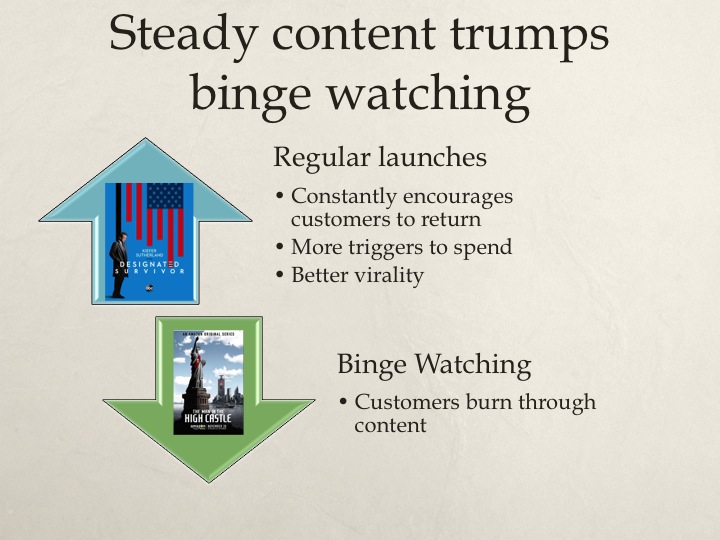
While I am very cautious whenever I criticize Netflix (it has a great understanding of its customers through very sophisticated analytics), their approach to releasing content is not as strategic as mobile game companies. Netflix largely pioneered binge watching, releasing a season of content at one time and encouraging customers to spend a day or so watching all of the episodes. The benefit of this approach is that it creates anticipation leading up to the new season and customer focus during the binge. Game companies, however, have learned it is best to release a stream of content regularly rather than in large bursts.

Why regular content releases are optimal

A steady stream of content creates habits for consumers where they come back regularly to see what is new. If a mobile game company launches a new slot every couple of weeks or a mid-core company releases a new military unit, the player will return regularly to see what the new content is. Even if the content is not what the customer is looking for, they will then return in the future to see if there is something closer to their desires.

What companies also find is that consumers and players, particularly the high valued ones, churn through content much faster than you expect. Thus, you might feel that the 50 new levels you have launched is enough content to keep players happy for months, but your biggest spenders are likely to consumer it in weeks or even days and then have no reason to return to your game or site. A steady stream of content, however, allows you to manage how quickly they consume the content and always ensure they have something new every few days or weeks.

Regular content releases also increases word of mouth marketing. People often will discuss with their friends and colleagues what happened in the previous episode and what they expect to happen next. Binge watching if anything is the opposite, since you see the entire story arc (at least for the season) in a short period, unless you share that short period with your friends you are encouraged not to discuss the show because you do not want to provide spoilers. While not as strong a force in games, new content is one of the more powerful drivers of social media engagement, and by providing it regularly you ensure strong engagement over time.

Content is also one of the strongest, if not the strongest, triggers for monetization. By releasing content regularly, you are also triggering monetization regularly. While a big drop of content may trigger a large spurt in monetization (or subscriptions if you are Netflix), a constant stream gets people purchasing weekly or every few weeks.

The biggest reason a stream of content is best

The strongest driver of value from regular content releases is that you become part of your customer’s consciousness, you get inside their head. Dan Ariely, the noted behavioral economist, was a Board of Advisor’s member of my first company, Merscom, and taught me perhaps my most valuable lesson in business, the key for an entertainment product to be successful is for the customer or player to be thinking about it when they are not playing. I remember the early days of Facebook games, when people would wake up in the middle of the night to tend their crops in Farmville or tend to their pets in Pet Society, both of those games made hundreds of millions of dollars for their creators. When 24 first hit television (before it turned into 48, 72, 96, etc.), it captured a huge audience share because viewers would spend the week thinking about and discussing what was going to happen to Jack next. These entertainment experiences truly got into the minds of fans even, and maybe more so, when they were not enjoying the product.

An anecdotal example

A recent experience drove home why a steady stream of content is better than bulk content drops. There are two series that I like about equally, Amazon’s Prime Man in the High Castle and Designated Survivor (on Netflix in Europe). The former follows the binge watch model, the first season was released a year ago and the new season was released in December. After watching the first season of Man in the High Castle, I probably did not watch anything else on Amazon Prime for about ten months. I also pretty much lost interest in the series and while I did watch the second season, it did not elicit the emotions the first season did (it could have been due to the actual content, though trying to look at it objectively the seasons seemed comparable). When I returned to watch season two, I noticed other Amazon Prime originals I was interested in and put on my watch list. With the binge watching strategy, Amazon lost a chance to have me more engaged (and thus potentially sell me other Amazon products) and made me less likely to watch season three.

slide1

Conversely, Netflix released new episodes of Designated Survivor on a weekly basis (I believe it is an ABC series and not a Netflix original so they did not control the content cadence). I found myself not only coming back every week, but coming back every few days as I was not sure when the new episode would appear. Moreover, I kept thinking about the plot twists and nuances in the series, which has made my enjoyment of the series increase significantly over time and prompted me to discuss it with friends. With the regular content cadence, Netflix has kept me more engaged while increasing the bond with the customer.

The consequences of getting it wrong

Many of you are probably thinking the same thing I was, well if Netflix is doing it wrong, sign me up. So if Netflix has the content cadence issue wrong, why are they so successful?

As I wrote in a previous post, industry leaders and not omniscient. They are often leaders because they are great companies and are providing great value to their customers or players, but they are not perfect. This underlying value can often cover many mistakes, or at least sub-optimal behavior.

That seems to be what is happening with Netflix. They have evolved into such a strong content creation machine, with the ability to create hit series regularly; they have replaced regular release of new episodes of popular shows with simply releasing new popular shows regularly. Thus, when you finish your season of Narcos, you keep coming back for Luke Cage and then Stranger Things. It is not optimal as it is expensive to create continually new series and at some point the creative juices may be as successful.

My money is on Ariely

When planning your content strategy, I would always put stock in the thoughts of Dan Ariely. Create a strategy that always keeps your content, and thus your company, in the mind of consumers. That way you will keep them engaged and ensure your best customers keep spending with you.

Key takeaways

  • The mobile games industry has discovered that release content regularly (weekly, fortnightly, etc) is optimal in creating player engagement and monetization.
  • The practice of releasing large quantities of content once or twice a year, the binge watching promoted by Netflix and Amazon Prime, is not as effective as regular content releases.
  • The greatest disadvantage of large content drops is that the content fails to integrate with the customer’s consciousness when they are not watching or playing, thus making customers less valuable.

Share this:

  • Share on Facebook (Opens in new window) Facebook
  • Share on LinkedIn (Opens in new window) LinkedIn
Like Loading...
Unknown's avatarAuthor Lloyd MelnickPosted on January 4, 2017January 10, 2017Categories General Social Games Business, General Tech Business, GrowthTags content, NetflixLeave a comment on Content cadence, where Netflix gets it wrong

Why Super Mario Run was destined to fail: Lifetime Value Part 24

I am surprised that people are surprised about the lack of success for Super Mario Run from Nintendo. While I do not claim that I can predict the future, and this time of year I scoff at everyone’s predictions because if the so-called experts actually could foresee develops they would be much wealthier than they are, in January 2012 I laid out the reasons traditional gaming companies were unlikely to succeed in the free to play space . The reasons I stated nearly five years ago were also the headwinds that doomed Super Mario Run.

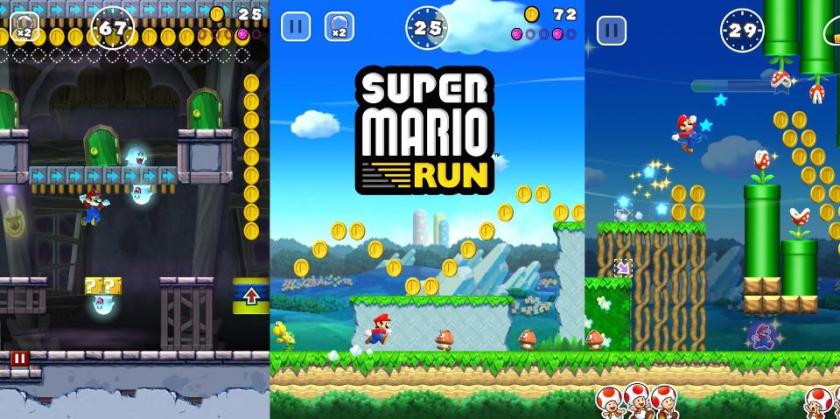
super-mario-run

Different businesses

As I wrote then, the biggest challenge traditional game companies face when moving to a free-to-play model (at the time it was more Facebook than mobile) is that they are different businesses. Old school game companies, be it Nintendo or EA to Take2, are skilled at creating a great product that someone buys, enjoys and finishes. Free-to-play companies are creating a service (hence the now relatively old term software as a service), something that customers use over time and becomes part of their life (like Netflix or Amazon Prime).

Building and running a service requires a different skill set than building a great game. The former needs

  • Analysts to look at customer behavior and suggest changes to continually improve the product
  • Product managers to create new features and elements that keep existing players engaged and ensure strong elder gameplay for the most committed players
  • User acquisition specialists who not only can bring in new players but can reactivate the most valuable players
  • CRM experts who can communicate with existing players both inside and outside of the product through multiple channels to increase their engagement and loyalty.

Conversely, traditional game companies succeed with a very different skill set

  • Great game designers who can create a fantastic experience, though usually of a limited nature
  • Marketing gurus who can get people to purchase a product
  • Distribution experts who can ensure the product is placed prominently in front of potential customers.

I have no privileged information in how Nintendo structured its Super Mario Run team but based on the product and how they are managing it, I would bet the focused more on the skills needed by traditional game companies than those creating a free-to-play game service experience. The game clearly has great designers and their promotion by Apple shows they still know how to manage channels.

They do not understand free-to-play LTV

What they are lacking is an understanding of free-to-play economics, primarily how to optimize player lifetime value. I have written way too many times about customer lifetime value (even wrote a book on it) but it is still a concept that traditional game companies like Nintendo fail to grasp. In summary, lifetime value is the monetary value to your company of a new player and it is a function of monetization (how much they spend), retention (how long they remain a customer) and virality (how many other customers they bring in).

In the traditional game space, this equation is quite easy. For Nintendo, LTV is largely how much a payer pays for a DS and Wii game. It does increase by downloadable content (DLC), whether they buy additional Nintendo products and if they encourage friends to buy but it is largely driven by that retail purchase of a game.

This experience is evident in how Nintendo approached Super Mario Run. The product is built so that the free element is a teaser to get a $10 purchase. It is not built to create a long-term relationship between players and the game, where they return (and often spend) daily for months or years (no exaggeration, take a look at Mobile Strike or Clash of Clans or most of the games on the top grossing charts). They are still focused on the discrete purchase, selling the razor and not the blades.

This approached doomed Super Mario Run (and by the doomed, I meant compared to expectations and potential, as it will still generate millions), even if they were seeing more traction getting the initial $10 purchase. In the world of free-to-play, $10 is largely an irrelevant transaction. Supercell was acquired by Tencent for $8.6 billion because players are spending hundreds or thousands of dollars in the game. By focusing on the first ten dollars, Nintendo missed where the bulk of free to play revenue comes from and largely capped what most players would have to spend. Thus, a player who Nintendo could have built a relationship with that would generate $20,000 is now spending $10 and moving back to a Supercell or King or Zynga game.

Core game companies will continue to flail in the free-to-play business

I said it almost five years ago and it has largely held true, traditional game companies won’t succeed in free to play. Since I wrote that article a handful of game companies have seen some free-to-play success (most notable Hearthstone) or acquired respectable free-to-play businesses but most have either failed or gone bankrupt. We still have not seen EA turn their core games (FIFA, Madden, Battlefield) into free-to-play franchises. There is nothing from Microsoft or Sony on any mobile chart. Take2, not a player in the mobile space. You get the point. It’s no longer a question of when the core game companies will successfully move into free to play (and mobile) but when they will just give up (and investors will stop expecting it) and focus on what they understand.

Key takeaways

  1. The failure of Super Mario Run by Nintendo was very predictable, as traditional game companies face many structural issues in creating free to play mobile apps.
  2. The biggest hurdle is their team structure, as they are built to create a product and not run a successful service.
  3. Core game companies also do not truly understand free to play economics, that customer lifetime value is driven by long-term retention and monetization and not a discrete purchase.

Share this:

  • Share on Facebook (Opens in new window) Facebook
  • Share on LinkedIn (Opens in new window) LinkedIn
Like Loading...
Unknown's avatarAuthor Lloyd MelnickPosted on December 24, 2016Categories General Social Games Business, Lloyd's favorite posts, LTV, Mobile Platforms, Social Games MarketingTags customer lifetime value, free to play, lifetime value, LTV, mobile, nintendo, Super Mario Run10 Comments on Why Super Mario Run was destined to fail: Lifetime Value Part 24

The most important company in the game industry

The most important company in the game industry

Key takeaways

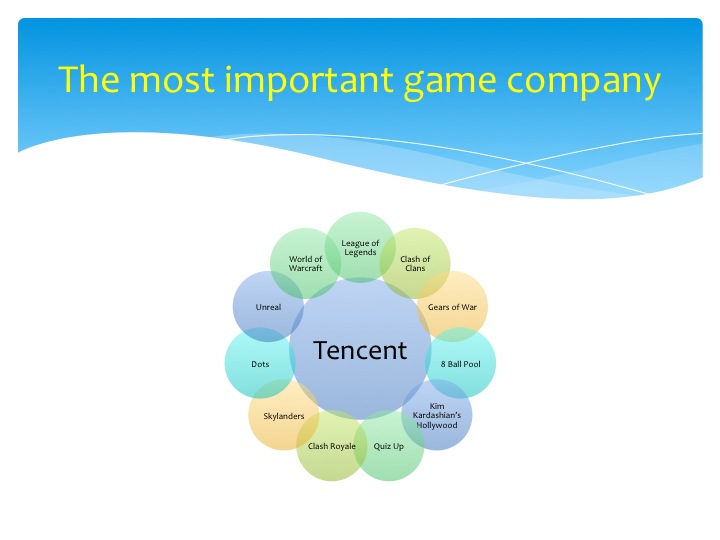
  1. The most significant company in the video and computer game space is one that people do not frequently think of Tencent, which has a market value of $229 billion (more than the market value of Apple, Google, Microsoft, Sony and EA combined).
  2. Tencent’s game properties include the biggest PC game (League of Legends), the strongest mobile franchise (Clash, as in Clash of Clans and Clash Royale) and the most important console game company (Epic, maker of Unreal and Gears of War).
  3. Tencent is also a very progressive company, allowing is investments the autonomy to make decisions and grow.

The most important company in the game industry

I was doing some research last week, when I was surprised at a company with a $200+ billion market value (market capitalization). The company was Tencent, with a market cap $229 billion. For comparison Microsoft has a market value is $479 billion. Apple is at $614 billion. It is definitely more than Sony, who only has a $37 billion market. Want to try EA, forget it, only $24 billion.

While you can argue that Tencent is not a game company (and the bulk of its income does come from other operations), looking closely it becomes apparent that they also dominate in the (western) game space. Among their assets in the game space:

  • Clash of Clans and Clash Royale from Supercell. Tencent acquired Supercell this Spring.
  • Unreal and Gears of War developer Epic Games. Tencent is the largest shareholder in Epic, probably the most important developer in the console game space. Unreal is the engine (a suite of game development tools) used to create many of the most popular games in the world, from Dragon Quest and Final Fantasy to Moto Racer to Street Fighter to Assassins Creed to Brothers in Arms to…. Not only is it the most successful game development engine, Epic’s first party titles include Unreal (big surprise), Gears of War and Infinity Blade.
  • League of Legends creator Riot Games. Tencent controls the largest PC game in the world, League of Legends.
  • 8 Ball Pool and Agar.io developer Miniclip is another Tencent company. Miniclip always sems to have multiple games in the top-10 mobile charts and has tens of millions of daily players.
  • Kim Kardashian Hollywood developer Glu Mobile. Tencent is a minority investor in the most prolific mobile developer that uses big name IP, such as Kim Kardashian, Nicki Minaj and Gordon Ramsey.
  • QuizUp from Plain Vanilla is another part of the Tencent empire, as Tencent is one of Plain Vanilla’s largest investors.
  • Skylanders, World of Warcraft, Destiny and Call of Duty owner Activision/Blizzard is also part of the Tencent empire. Tencent owns 25 percent of Activision/Blizzard.
  • And there is more. Tencent is also one of the largest shareholders in PocketGems, Dots, Robot Entertainment and I am sure some I have missed.

slide1

When you look at the properties that Tencent controls (Clash of Clans, League of Legends, etc), it is clearly the most important company in our space.

The other interesting element of Tencent

In my conversations with people at some of the companies above (and this data is totally anecdotal), Tencent is a very interesting parent. People often group it with Japanese and Korean companies, which are often very challenging to work at. My friends who have worked for Japanese companies complain about how western employees and executives had virtually no autonomy to make decisions (they were all made at the Japan level) and even then decision making was excruciatingly slow.

From what I have heard, Tencent, and Chinese companies in general, are pretty much the opposite and often more progressive than western companies. Tencent has left the companies above very autonomous and business has barely changed on the day-to-day level. Tencent, however, has helped these companies grow by expanding into the Asia. Most surprisingly, in the incredibly cynical game space, I have not heard anyone say anything bad about working for Tencent.

Chinese multinationals are often much more progressive than other Asian and often western competitors. In 2013, I wrote about how Haier (a Chinese white goods manufacturer) eliminated all of its middle management, a concept here that companies (other than Zappos) are just starting to look at. I have never worked at a Chinese company and have actually interacted very little with them, but between Tencent, Haier and Alibaba (the world’s most successful retailer), Chinese companies show many progressives traits that lead to success in the game industry.

The game industry’s most important player

When you combine Tencent’s market valuation with its network of the most important game properties, it is clear that they are the most important game company in the world. Over time, Tencent’s performance will be more parallel to that of the game. When Tencent does well, the game industry does well. When the game industry does well, Tencent will do well.

Share this:

  • Share on Facebook (Opens in new window) Facebook
  • Share on LinkedIn (Opens in new window) LinkedIn
Like Loading...
Unknown's avatarAuthor Lloyd MelnickPosted on December 14, 2016December 14, 2016Categories General Social Games BusinessTags Activision, clash of clans, clash royale, epic games, Glu Mobile, Kim Kardashian, league of legends, miniclip, Pocket Gems, quiz-up, riot games, supercell, Tencent1 Comment on The most important company in the game industry

Posts pagination

Previous page Page 1 … Page 14 Page 15 Page 16 … Page 59 Next page

Get my book on LTV

The definitive book on customer lifetime value, Understanding the Predictable, is now available in both print and Kindle formats on Amazon.

Understanding the Predictable delves into the world of Customer Lifetime Value (LTV), a metric that shows how much each customer is worth to your business. By understanding this metric, you can predict how changes to your product will impact the value of each customer. You will also learn how to apply this simple yet powerful method of predictive analytics to optimize your marketing and user acquisition.

For more information, click here

Follow The Business of Social Games and Casino on WordPress.com

Enter your email address to follow this blog and receive notifications of new posts by email.

Join 791 other subscribers

Most Recent Posts

  • Join me at PDMA Inspire for my talk on new product prioritization
  • Why keep studying?
  • The next three years of this blog
  • Interview with the CEO of Murka on the biggest growth opportunity in gaming, Barak David

Lloyd Melnick

This is Lloyd Melnick’s personal blog.  All views and opinions expressed on this website are mine alone and do not represent those of people, institutions or organizations that I may or may not be associated with in professional or personal capacity.

I am a serial builder of businesses (senior leadership on three exits worth over $700 million), successful in big (Disney, Stars Group/PokerStars, Zynga) and small companies (Merscom, Spooky Cool Labs) with over 20 years experience in the gaming and casino space.  Currently, I am the GM of VGW’s Chumba Casino and on the Board of Directors of Murka Games and Luckbox.

Topic Areas

  • Analytics (114)
  • Bayes' Theorem (8)
  • behavioral economics (8)
  • blue ocean strategy (14)
  • Crowdfunding (4)
  • DBA (2)
  • General Social Games Business (459)
  • General Tech Business (195)
  • Growth (88)
  • International Issues with Social Games (50)
  • Lloyd's favorite posts (101)
  • LTV (54)
  • Machine Learning (10)
  • Metaverse (1)
  • Mobile Platforms (37)
  • Prioritization (1)
  • Social Casino (52)
  • Social Games Marketing (105)
  • thinking fast and slow (5)
  • Uncategorized (33)

Social

  • View CasualGame’s profile on Facebook
  • View @lloydmelnick’s profile on Twitter
  • View lloydmelnick’s profile on LinkedIn

RSS

RSS Feed RSS - Posts

RSS Feed RSS - Comments

Categories

  • Analytics (114)
  • Bayes' Theorem (8)
  • behavioral economics (8)
  • blue ocean strategy (14)
  • Crowdfunding (4)
  • DBA (2)
  • General Social Games Business (459)
  • General Tech Business (195)
  • Growth (88)
  • International Issues with Social Games (50)
  • Lloyd's favorite posts (101)
  • LTV (54)
  • Machine Learning (10)
  • Metaverse (1)
  • Mobile Platforms (37)
  • Prioritization (1)
  • Social Casino (52)
  • Social Games Marketing (105)
  • thinking fast and slow (5)
  • Uncategorized (33)

Archives

  • September 2023
  • December 2021
  • July 2021
  • March 2021
  • February 2021
  • January 2021
  • December 2020
  • November 2020
  • October 2020
  • September 2020
  • August 2020
  • July 2020
  • June 2020
  • May 2020
  • April 2020
  • March 2020
  • February 2020
  • January 2020
  • November 2019
  • October 2019
  • September 2019
  • June 2019
  • May 2019
  • April 2019
  • March 2019
  • February 2019
  • January 2019
  • December 2018
  • June 2018
  • May 2018
  • April 2018
  • March 2018
  • February 2018
  • January 2018
  • December 2017
  • June 2017
  • May 2017
  • April 2017
  • March 2017
  • February 2017
  • January 2017
  • December 2016
  • November 2016
  • October 2016
  • September 2016
  • June 2016
  • May 2016
  • April 2016
  • March 2016
  • February 2016
  • January 2016
  • December 2015
  • November 2015
  • October 2015
  • September 2015
  • July 2015
  • June 2015
  • May 2015
  • April 2015
  • March 2015
  • February 2015
  • January 2015
  • December 2014
  • November 2014
  • October 2014
  • September 2014
  • August 2014
  • July 2014
  • June 2014
  • May 2014
  • April 2014
  • March 2014
  • February 2014
  • January 2014
  • December 2013
  • November 2013
  • October 2013
  • September 2013
  • August 2013
  • July 2013
  • June 2013
  • May 2013
  • April 2013
  • March 2013
  • February 2013
  • January 2013
  • December 2012
  • November 2012
  • October 2012
  • September 2012
  • August 2012
  • July 2012
  • June 2012
  • May 2012
  • April 2012
  • March 2012
  • February 2012
  • January 2012
  • December 2011
  • November 2011
  • October 2011
  • September 2011
  • August 2011
  • July 2011
  • June 2011
  • May 2011
  • December 2010
January 2026
S M T W T F S
 123
45678910
11121314151617
18192021222324
25262728293031
« Sep    

by Lloyd Melnick

All posts by Lloyd Melnick unless specified otherwise
Google+

Enter your email address to subscribe to this blog and receive notifications of new posts by email.

Join 791 other subscribers
Follow Lloyd Melnick on Quora

RSS HBR Blog

  • Succeeding as an Outsider in a Legacy Culture
  • To Change Company Culture, Start with One High-Impact Behavior
  • “Listen to Your Gut”: A Departing CEO’s Call to Action
  • Why Training Employees Pays Off Twice
  • Why People Create AI “Workslop”—and How to Stop It
  • 5 Psychology-Backed Principles for More Effective Personalization
  • One Company Used Tech as a Tool. Another Gave It a Role. Which Did Better?
  • Why Keeping Up with Change Feels Harder Than Ever
  • The Best Leaders Are Great Followers
  • What Leaders Get Wrong About Strategic Alignment

RSS Techcrunch

  • An error has occurred; the feed is probably down. Try again later.

RSS MIT Sloan Management Review Blog

  • Turn Customer Complaints Into Innovation Blueprints
  • Leaders at All Levels: 7 Strategies to Give Your Team Real Power
  • Learn From Outcomes to Promote Growth
  • The CEO’s Playbook for Difficult Board Directors
  • How to Navigate Rapid Growth
  • Build Better Pay-for-Performance (PFP) Compensation Plans
  • Your People Are Not All Right
  • Five Trends in AI and Data Science for 2026
  • Stop Making Hollow Apologies at Work
  • Calm: The Underrated Capability Every Leader Needs Now
The Business of Social Games and Casino Website Powered by WordPress.com.
  • Subscribe Subscribed
    • The Business of Social Games and Casino
    • Join 726 other subscribers
    • Already have a WordPress.com account? Log in now.
    • The Business of Social Games and Casino
    • Subscribe Subscribed
    • Sign up
    • Log in
    • Report this content
    • View site in Reader
    • Manage subscriptions
    • Collapse this bar
 

Loading Comments...
 

    %d