
One phrase has wiped billions of dollars off the balance sheets of individuals and companies: “This time is going to be different because….” It is how people often rationalize jumping on a trend or bubble, even when past experience shows it will not last. The rise of Trivia Crack (which I play frequently), and the commentary accompanying it, is the latest example of this phenomenon.

The housing crisis
During the height of the US housing market bubble, I remember seeing multiple experts explain why the steep run-up in prices was not the same as past bubbles. They explained that it was due to changing demographics, realignment of wealth, new consumer behavior that favored home ownership over other asset classes, and other arguments that made them sound very smart on CNBC. Years earlier during the dot.com boom, experts (many of them the same) explained how that was not a bubble and companies would no longer be valued on profitability (but on market share) and how the economics have changed.
In each of these boom times, experts and laymen alike refused to look at past history, such as Tulip Mania, and picked facts to justify a difference where none existed. Turns out these arguments, while factually correct in some cases (i.e. demographics have changed in the US) were simply noise and did not truly impact the underlying asset value.
Trivia Crack
This same phenomenon is evident in the technology and digital game space. A game becomes very popular and immediately the entire industry thinks there is a new formula for success. The company behind the game may sell for millions and literally hundreds of companies try to “fast-follow” or add the mechanic to existing products. Continue reading “It is NOT going to be different this time”
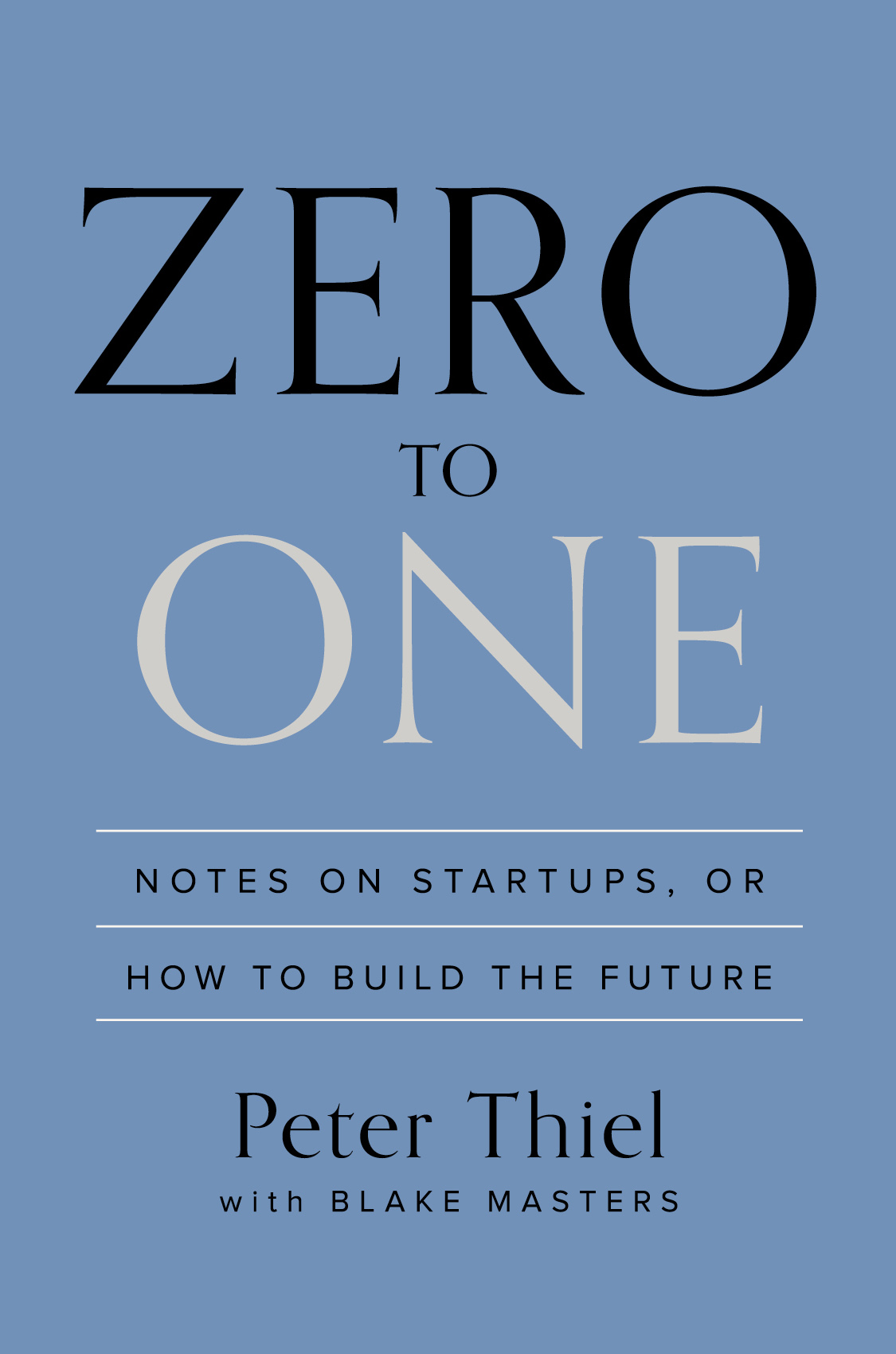
 , he makes many interesting observations (some I agree with, some I do not) but one in particular is particularly valuable. Thiel asserts that great companies are not great because they beat their competition, they are great because they do not have competition. Although he does not quote
 . Langeler is a highly successful venture capitalist and entrepreneur who credits this concept to his success. The Success Matrix puts forth a very straightforward concept: Success needs a combination of vision, process and output. Langeler primarily uses this idea to suggest how to build and lead a successful team. Rather than trying to find people who excel at all three variables, since very few exist, great companies combine people so that the company can excel at all three elements.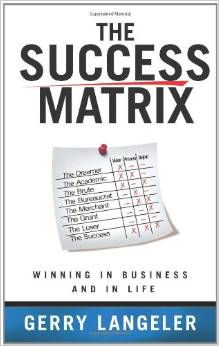

 I recently read an interesting book,
  , that made an excellent case on why you should make your CRM (customer retention management) systems more sophisticated. The underlying idea is that customers, players, users, etc., are very connected, they regularly use mobile devices and tablets, have easy access to a computers and thus can find almost any data quickly (ever hear of Google?). As customers have and take advantage of instant access to information, they thus expect the companies they deal with to be equally sophisticated.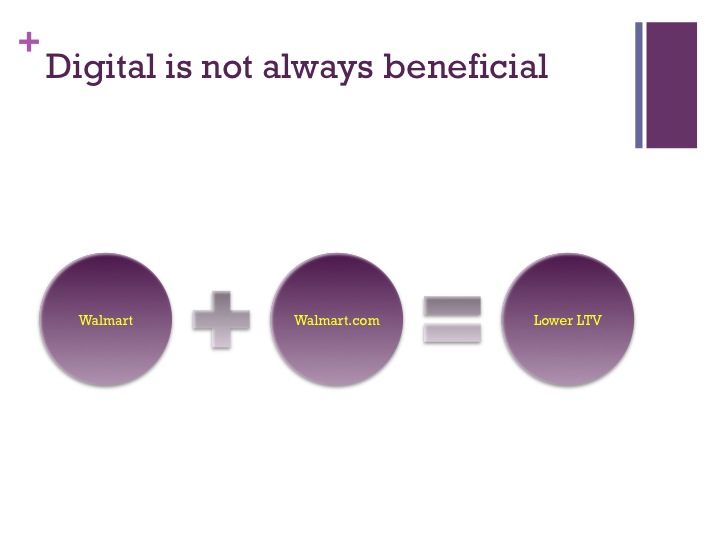

 The Business of Social Games and Casino