Speaking at MIT on data quality and how it affects LTV

I am very proud to announce I will be speaking at MIT’s CDOIQ (Chief Data Officer and Information Quality) Symposium in July about how data affects your LTV projections, and ways to improve the quality of your metrics. It’s going to be a great conference and I would love to meet up with anyone who will be there.
MIT Logo

How to hire for analytic positions

Given the importance of analytics to social and mobile game companies (just see all my posts about LTV, performance marketing, virality, monetization, etc.), having the best business intelligence (BI) team is of central importance. Finding that talent, however, is not easy. I have been very lucky to work with some of the best BI talent throughout my career; they have made me look much smarter than I am. Not everyone will be as lucky as I have been. A recent article in the MIT Sloan Management Review provides great advice on predicting the performance of potential analysts.

Data Ninja

The article points out that the ideal analyst does not exist; the job description is looking for a “unicorn.” You should not be hiring for a laundry list of skills (e.g., “I need someone with R, SWRVE and Mixpanel expertise”) because the game industry is evolving so quickly most of those skills will soon be outdated. Instead, you should look for the curiosity to keep learning, rather than the skills themselves. Continue reading “How to hire for analytic positions”

Lifetime Value presentation to Yetizen

Below is a presentation that I gave yesterday on lifetime value (LTV) to the portfolio companies of YetiZen. It covers the importance of LTV, key variables (monetization, virality and retention) and how to affect them, importance outside gaming, cohort analysis and the predictive nature of LTV. Other than the final section on uncertainty, which echoes my blog post on Tuesday, the presentation is largely consistent with the one posted earlier that I gave at Groundwork Labs a few months ago. Here is the one from last night:

Using analytics to optimize all of your advertising spend

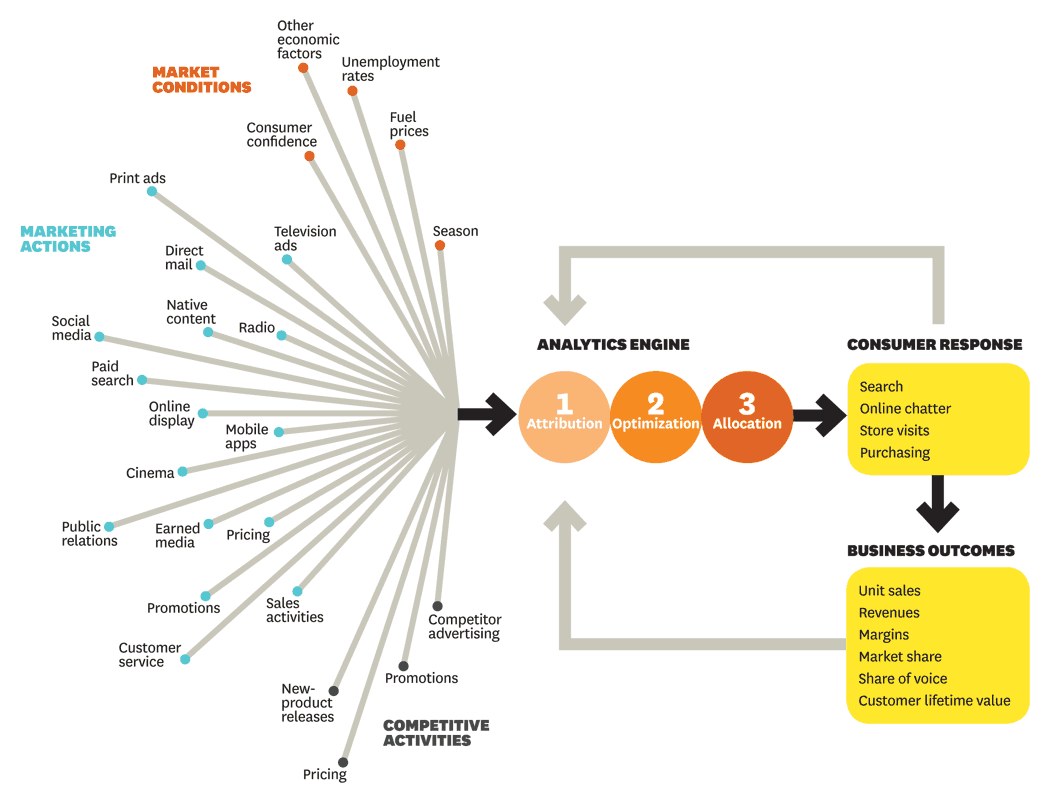
A recent article in the Harvard Business Review on Advertising Analytics 2.0 shows how advanced analytic tools and concepts can improve the return from your growth efforts. The article, written by Wes Nichols of MarketShare, shows how ad channels increasingly interact with each other and you can be much more effective by understanding these interactions. What you do in performance marketing, search ads, web, YouTube, TV and PR are not independent of each other. For example, a TV advertisement may increase Google searches that are then directed to your web game by purchasing ad words.

Advanced analytics allow you to understand these interdependencies and allocate accordingly. For example, one company found 85 percent of its budget went to TV ads and six percent to YouTube ads but the YouTube ads were nearly twice as effective at driving search. They then changed their allocation of ad dollars. This adjustment increased sales nine percent without incurring any additional advertising expense.

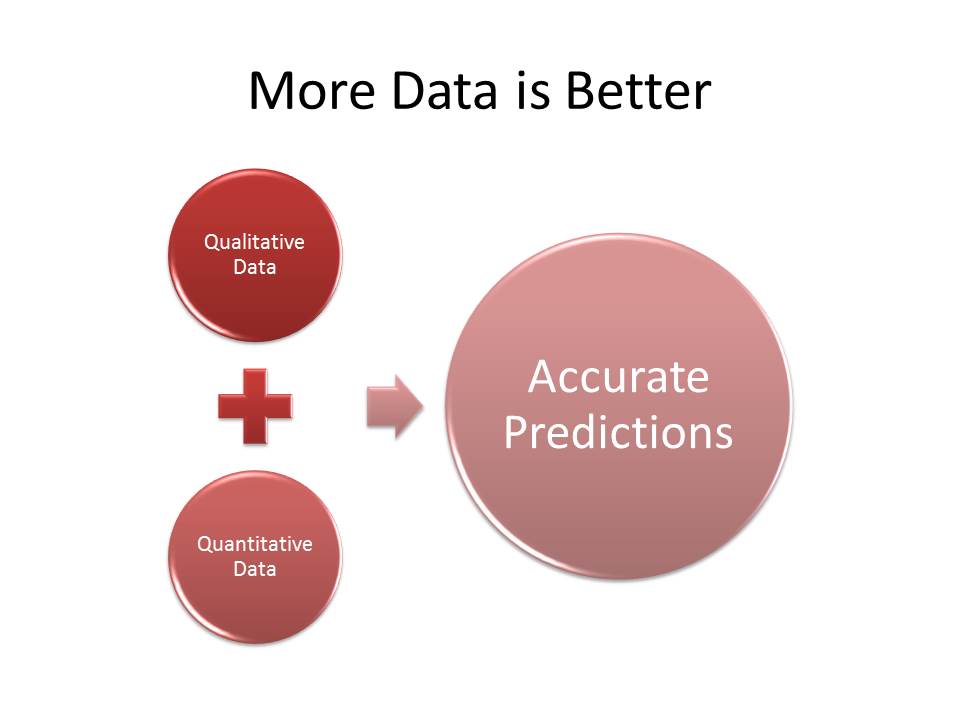
Advertising analytics 2.0One of the keys to using analytics more effectively is understanding what data to collect. Many in the game industry think that tracking clicks on cost-per-click (CPC) campaigns, adding some consumer surveys, focus groups and last-click attribution is enough to optimize their marketing. It is not. Continue reading “Using analytics to optimize all of your advertising spend”

How to implement A/B testing

There’s a great blog post on GamesBrief on how to get your A/B testing efforts going. Given the importance of A/B testing to optimizing both your game’s performance and user acquisition, this is a must-read article if you are not already A/B testing.

A/B testing image from blog.empowerment-group.org

To summarize the post (read the full post for a much deeper explanation of each point), the key point is that there are six steps to start successful A/B testing: Continue reading “How to implement A/B testing”