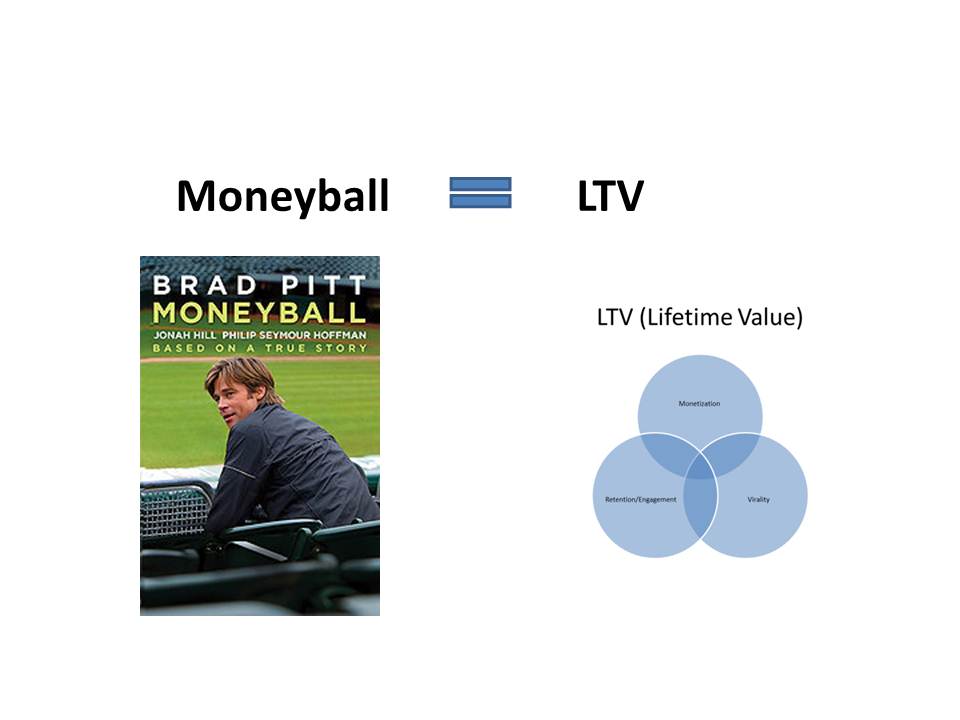
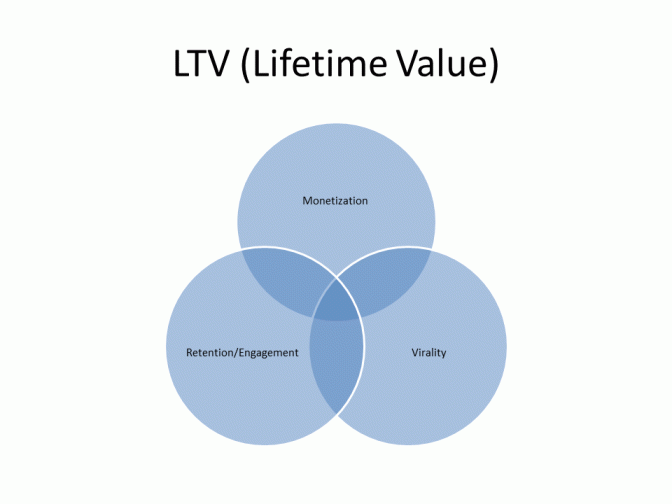
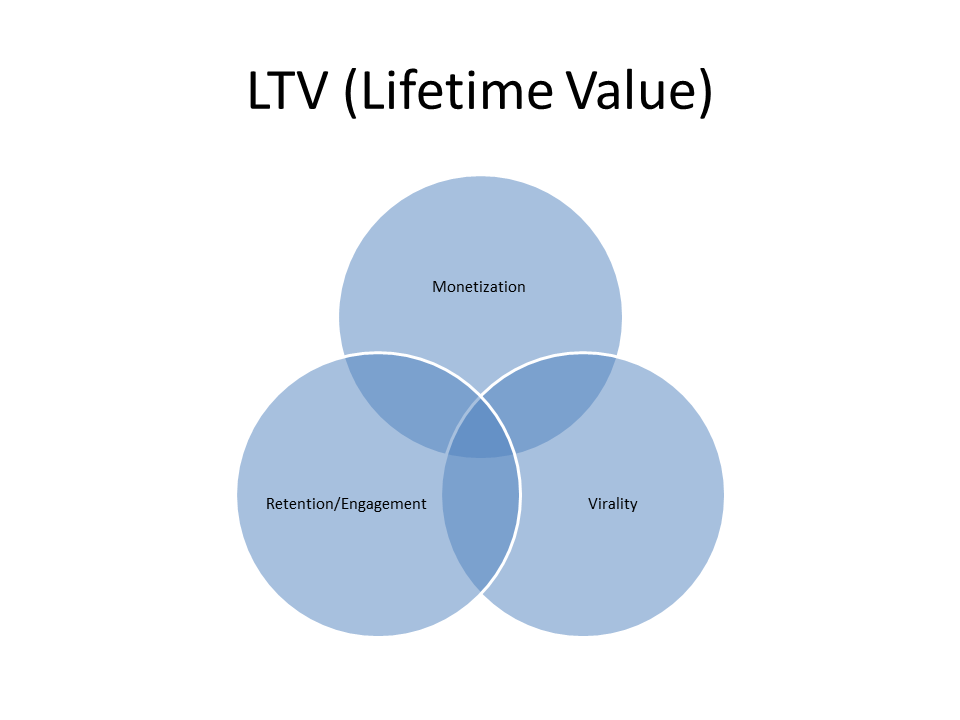
In previous posts, I discussed the importance of customer lifetime value (LTV), its key elements (monetization, retention and virality) and how to calculate LTV; but it is important to also understand that there is not a monolithic LTV for your game (or product). You may remember that the practical value of LTV is to use it as a metric to determine whether or not an ad spend has a positive return. If the LTV is higher than the cost per install (CPI), it is profitable to advertise (and vice versa).

The key to success, though, is understanding the LTV of the customer you will be acquiring as opposed to the general LTV for the game. Some low cost user acquisition channels may bring in players who are effectively worthless (they leave your game right after they click on the ad) even in a game that has a high overall LTV, so understanding the lifetime value of these users would save you from wasting your money. Conversely, there may be a very expensive advertising channel that brings in great players who all monetize well and have a much higher lifetime value than their CPI.
There are four factors that you should use to calculate separate LTVs (and in different combinations): Continue reading “Lifetime Value Part 7: The importance of segments and cohorts to LTV”
 The big buzz phrase in the Bay Area the last year or so has been “growth hacking,” and the ideas behind it can help significantly game companies. The underlying principle in the phrase is that modern start-ups should be focused on using the new tools available via technology to grow rapidly their user base rather than relying on older, sometimes outdated, marketing techniques. Growth—unlike marketing—usually encompasses multiple aspects of an organization, with the growth team not only bringing in users but also working with the product team to optimize the product for growth. It stresses the importance of product to growth and how the two should work together rather than having marketing set aside in a corner. The phrase itself was coined by

 The Business of Social Games and Casino